Rising from the heart of Île de la Cité, Notre Dame de Paris has witnessed coronations, revolutions, and resurrection over more than 850 years. Behind its iconic Gothic façade lies one of the most dramatic and inspiring stories in all of human architecture.
The story of Notre Dame begins in 1160, when Maurice de Sully was appointed Bishop of Paris and envisioned a grand cathedral worthy of the French capital. Construction officially commenced in 1163, with Pope Alexander III reportedly laying the foundation stone alongside King Louis VII. The site itself was far from empty — two earlier churches, the Basilica of Saint-Étienne and a smaller chapel dedicated to the Virgin Mary, had stood on the same sacred ground for centuries. Builders demolished these structures to make way for something far more ambitious: a cathedral that would redefine what was architecturally possible in the medieval world.
Construction of Notre Dame unfolded over nearly two centuries, with different master builders leaving their distinctive marks on the evolving structure. The choir and high altar were consecrated as early as 1182, while the nave was completed around 1208. The iconic western façade, with its three elaborately carved portals and twin towers, took shape between 1200 and 1250. Each generation of craftsmen introduced new techniques, including the revolutionary flying buttress system added around 1180, which allowed the walls to soar to unprecedented heights while flooding the interior with streams of colored light through vast stained-glass windows.
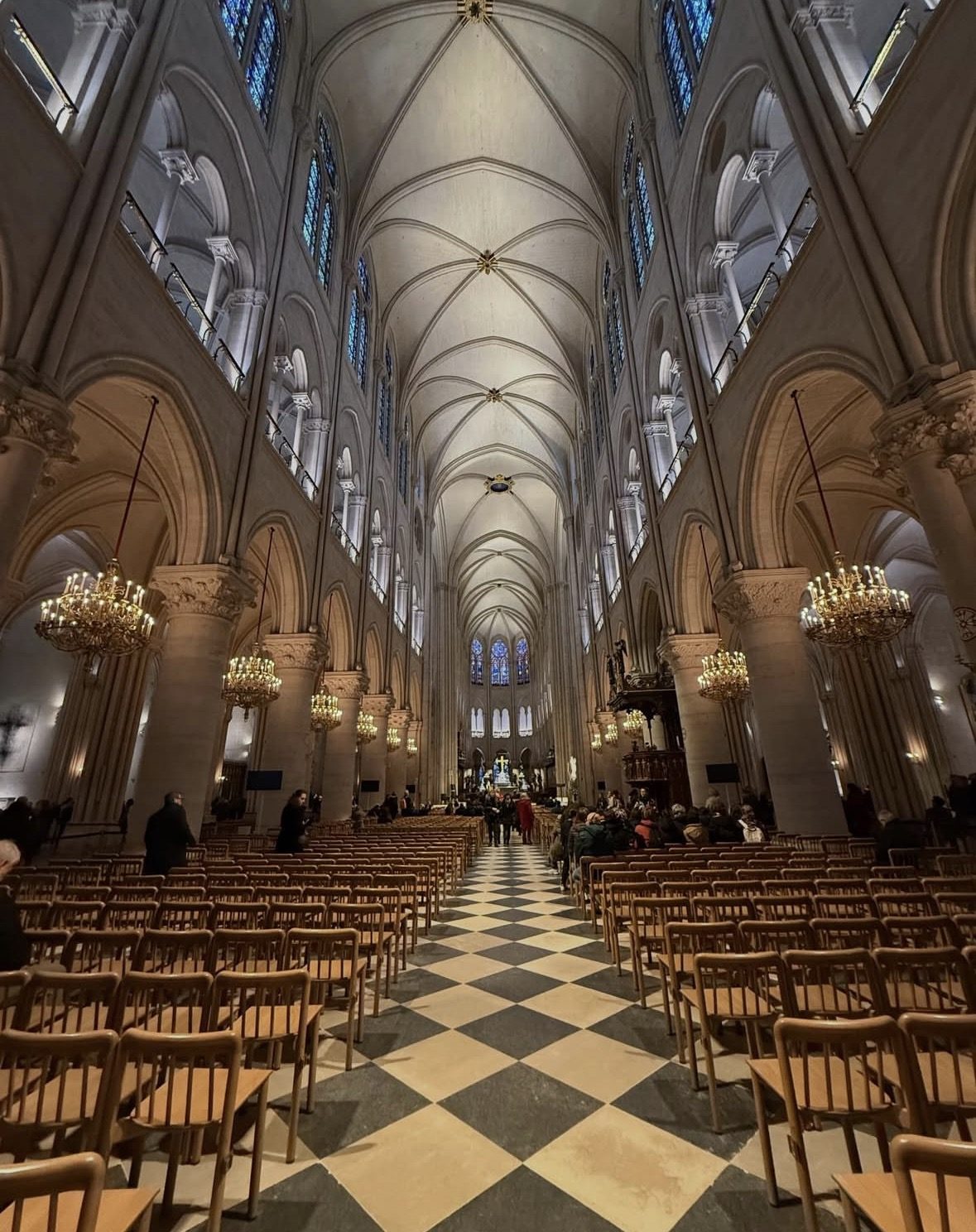
Notre Dame stands as one of the finest examples of French Gothic architecture ever conceived, and its technical innovations were genuinely revolutionary for the 12th and 13th centuries. The pioneering use of the ribbed vault and pointed arch allowed walls to bear less structural load, enabling the construction of windows far larger than any seen in Romanesque churches. The cathedral stretches 128 meters in length, rises 35 meters at the nave vault, and the twin towers reach 69 meters skyward. The entire structure was designed to create an overwhelming sense of vertical aspiration — drawing the eyes and the spirit inexorably upward toward the divine.
Among Notre Dame's most celebrated artistic treasures are its three magnificent rose windows. The North Rose Window, dating to around 1250 and measuring 13 meters in diameter, is considered one of the best-preserved medieval rose windows in existence, retaining much of its original 13th-century glass. The cathedral also houses the Crown of Thorns, believed by the faithful to have been worn by Jesus Christ during the crucifixion, which King Louis IX purchased in 1239 for an extraordinary sum — nearly twice the annual revenue of the French crown — and which was among the treasured relics saved during the 2019 fire.
The cathedral's famous gallery of chimeric figures — commonly called gargoyles — serves both practical and symbolic purposes. The true gargoyles function as waterspouts, channeling rainwater away from the stone walls, while the more decorative creatures are technically known as grotesques or chimeras. The iconic horned demon Stryga, perched on the gallery balustrade with its chin resting on folded hands, was actually added during Eugène Viollet-le-Duc's 19th-century restoration rather than during medieval construction. Victor Hugo's 1831 novel The Hunchback of Notre-Dame immortalized the cathedral's brooding, fantastical character and directly inspired the public campaigns that funded Viollet-le-Duc's sweeping restoration work.
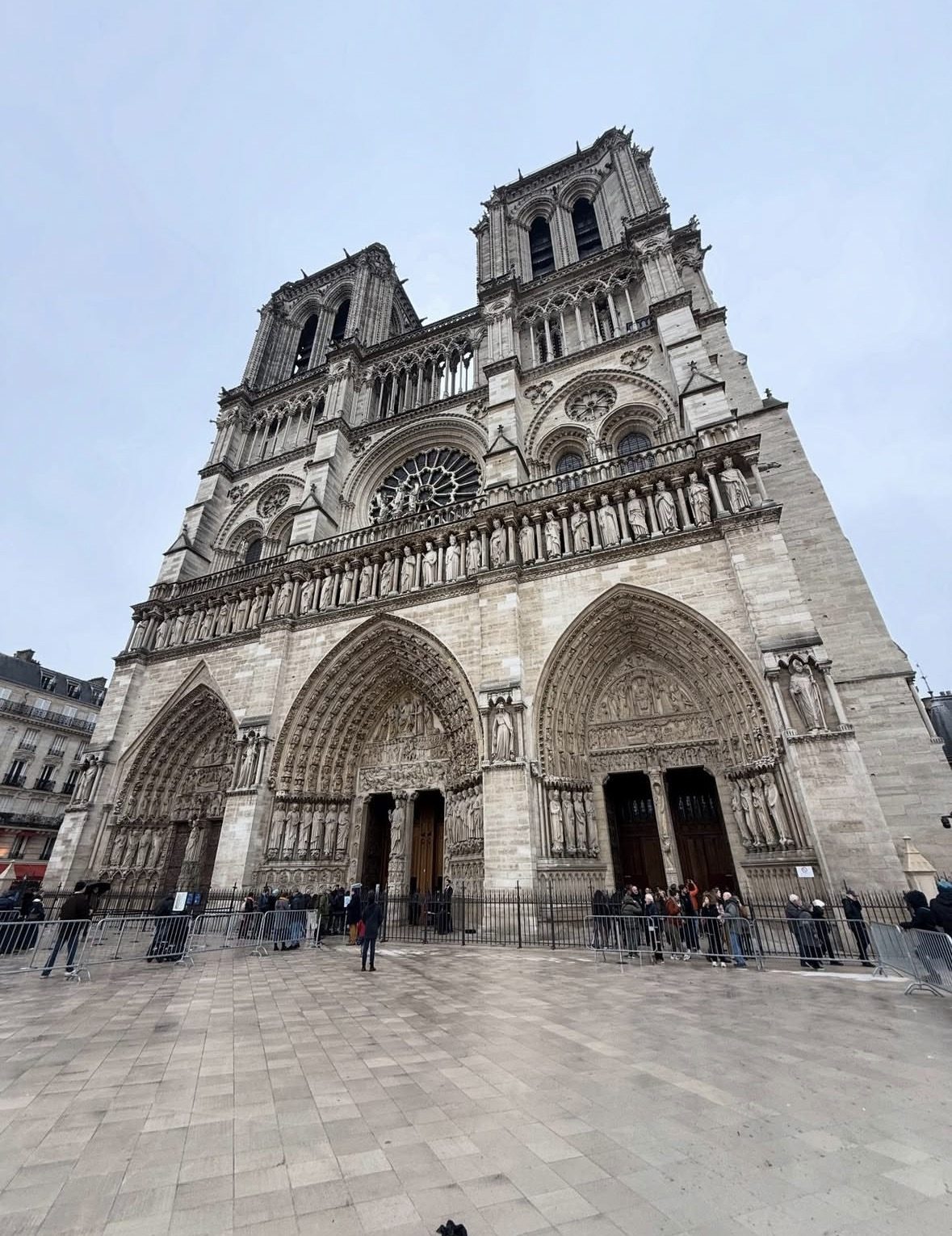
The French Revolution inflicted catastrophic damage on Notre Dame. Between 1789 and 1799, anticlerical mobs beheaded the 28 stone kings of Judah from the west façade, mistakenly believing them to represent French monarchs. The cathedral was desecrated, converted into a Temple of Reason, and later used as a warehouse for storing food and wine. By the time Napoleon Bonaparte reclaimed it for religious use and staged his legendary self-coronation there in December 1804 — an event immortalized in Jacques-Louis David's monumental painting — the building was in a state of severe disrepair, its medieval splendor stripped and its fabric crumbling.
The publication of Victor Hugo's Notre-Dame de Paris in 1831 proved to be a watershed moment for the cathedral's survival. Hugo deliberately used the novel to dramatize the neglect of Gothic architecture across France, and public outrage following the book's success created the political will to act. In 1844, King Louis-Philippe commissioned architects Jean-Baptiste-Antoine Lassus and, crucially, Eugène Viollet-le-Duc to undertake a comprehensive restoration. Viollet-le-Duc would devote the next 25 years of his life to the project, meticulously studying medieval construction methods and controversially adding new elements — including the slender 96-meter central spire — that he imagined would have existed in the original design.
Notre Dame survived the Nazi occupation of Paris during World War II largely intact, though it was caught in the crossfire during the liberation of the city in August 1944, with bullet holes still visible on the exterior stonework. The 20th century brought further indignities: pollution blackened its limestone façade, and decades of deferred maintenance left the structure in genuine structural jeopardy by the early 2000s. Then, on the evening of April 15, 2019, the world watched in horror as fire consumed the cathedral's roof and toppled its beloved spire. Miraculously, the twin towers, the three rose windows, and many irreplaceable relics survived, setting the stage for one of history's most ambitious restoration projects.
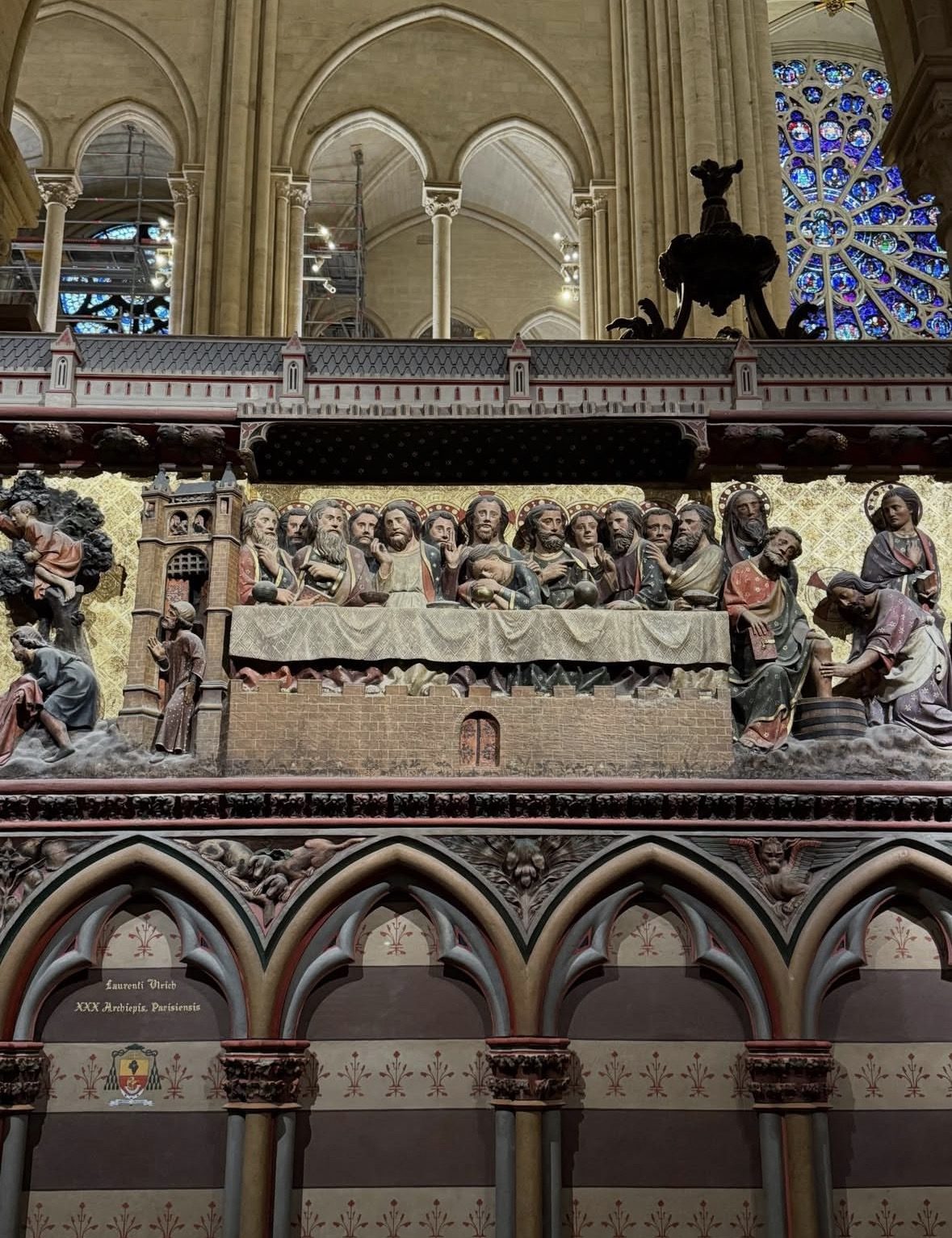
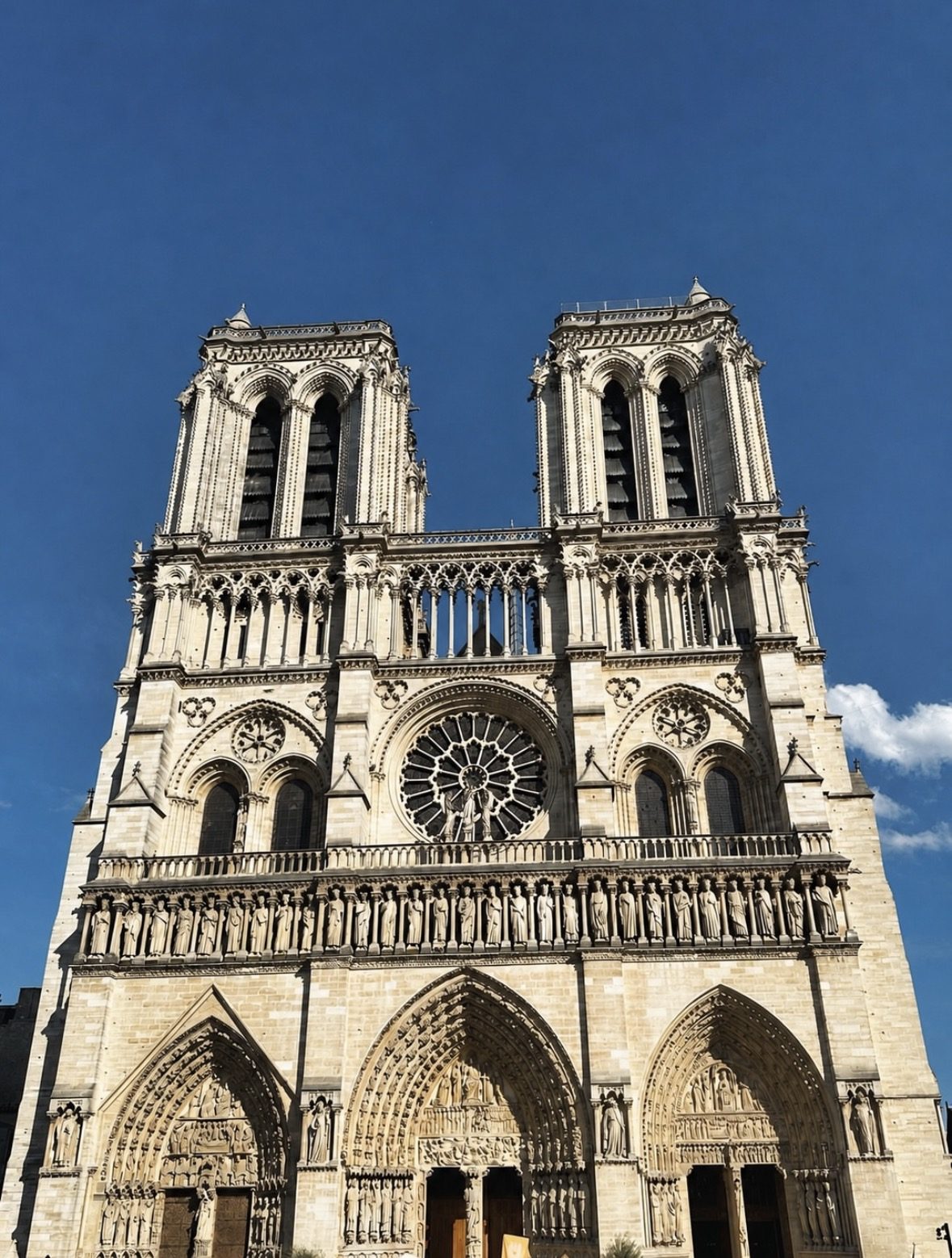
On December 7, 2024, Notre Dame Cathedral reopened to the public after five years of painstaking restoration work — a global effort involving more than 2,000 craftspeople, including specialist stonemasons, master glaziers, and expert woodworkers. French president Emmanuel Macron welcomed world leaders and dignitaries to the reopening ceremony, fulfilling his bold promise to complete the rebuild within five years of the fire. The restored cathedral dazzles visitors with cleaned, honey-golden stonework, a luminous new interior, and a faithfully recreated spire that once again punctuates the Paris skyline. The restoration incorporated the latest conservation technology while honoring centuries-old craft traditions.
Visiting Notre Dame today means standing at the intersection of 860 years of human ambition, faith, artistry, and resilience. Walk the nave where Napoleon was crowned and where millions have sought solace and wonder. Climb the towers for an unforgettable view across the rooftops of Paris, where the Seine winds through the city below and the distant silhouette of Sacré-Cœur crowns the hills of Montmartre. Whether you arrive as a pilgrim, an architecture enthusiast, or simply a curious traveler, Notre Dame delivers an encounter with history that is genuinely difficult to put into words. There is no better time than now to witness this reborn icon in all its restored magnificence.
Ready to Experience It Yourself?
Skip the queues and make the most of your visit with a guided tour led by expert historians who bring Notre Dame's extraordinary story to life. From the medieval crypts beneath the cathedral to the panoramic views from the towers, a professional guide unlocks details and access that independent visitors simply miss. Browse our handpicked selection of Notre Dame tours and secure your spot today — this is one experience that will stay with you for a lifetime.
Book Your Tour Now